This month saw International Women’s Day; A day of recognition for the important women in our lives. This article looks at some of the most prolific female writers in the English language, their lives and how their work has helped shape literature today.
Jane Austen

Jane Austen (1775-1817) was an English novelist whose works have come to symbolize the epitome of romantic fiction and social satire. Born into a genteel family in rural England, Austen drew inspiration from her observations of the manners, morals, and marriage conventions of the landed gentry during the late Georgian era.
Despite living in a time when female authors faced significant challenges in gaining recognition, Austen boldly pursued her literary ambitions. Her novels, characterized by their sharp wit, keen observation, and incisive social commentary, continue to captivate readers worldwide, transcending the boundaries of time and culture.
Austen’s six completed novels, including “Pride and Prejudice” (1813), “Sense and Sensibility” (1811), and “Emma” (1815), are celebrated for their astute portrayal of human nature and the complexities of romantic relationships. Her heroines, often strong-willed and independent-minded, navigate the intricacies of courtship and societal expectations with intelligence and humor.
“Pride and Prejudice,” perhaps Austen’s most beloved work, follows the tumultuous romance between the spirited Elizabeth Bennet and the aloof Mr. Darcy, offering a scathing critique of the rigid class structure and superficiality of Regency England society. The novel’s enduring popularity is a testament to Austen’s timeless insight into the human heart and her ability to craft compelling characters and engaging plots.
In addition to her novels, Austen’s sharp social commentary and wit are evident in her letters and juvenilia, providing further insight into her literary genius and keen observation of the world around her. Despite her relatively short life, Austen’s legacy as one of the greatest writers in the English language is firmly established, with her works continuing to enchant readers and inspire adaptations in various media.
Jane Austen’s enduring appeal lies in her ability to capture the universal truths of human nature and relationships with wit, insight, and timeless charm. Her novels remain as relevant today as they were in her own time, offering readers a window into the joys, follies, and foibles of the human experience.
Virginia Woolf
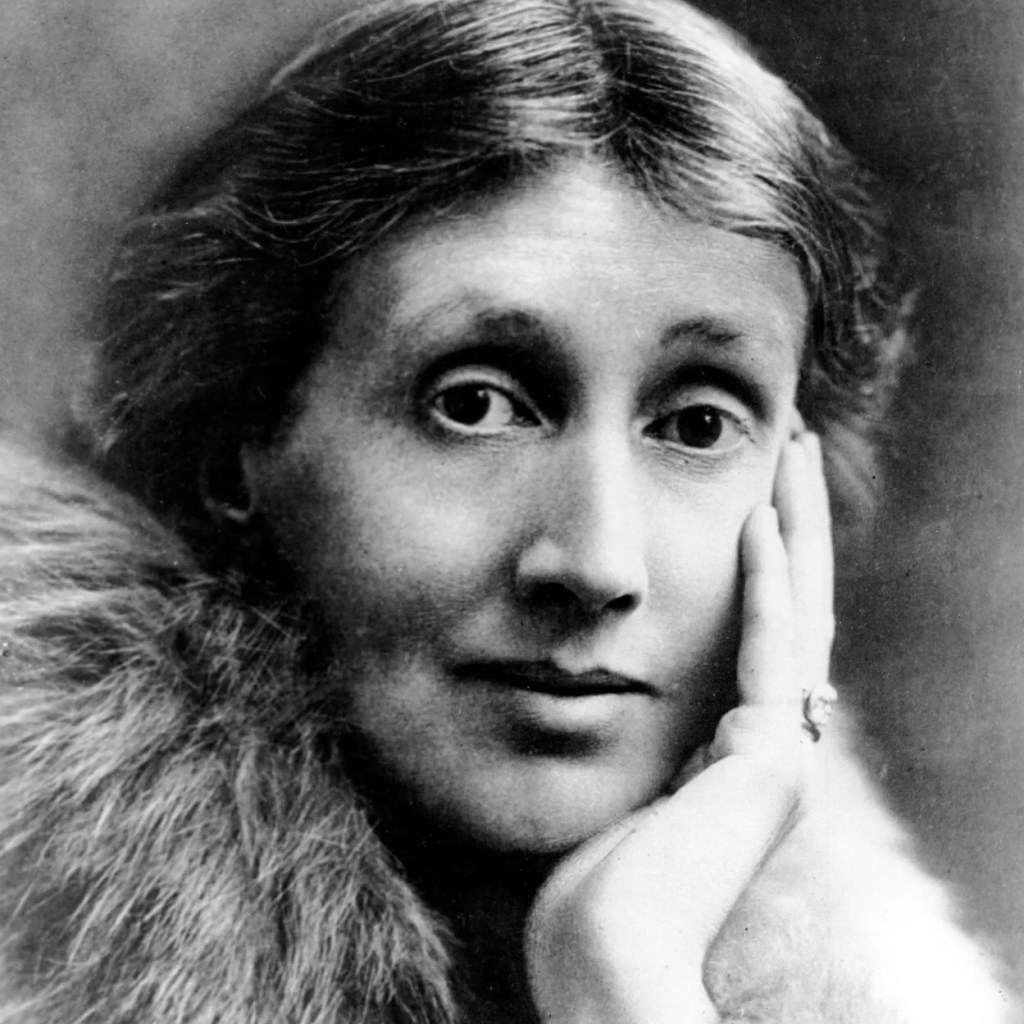
Virginia Woolf (1882-1941) was an English writer and one of the most significant figures of the modernist literary movement. Renowned for her experimental narrative techniques and profound psychological insights, Woolf’s work revolutionized the novel and expanded the possibilities of literary expression.
Born into an affluent literary family, Woolf received a thorough education and was exposed to the intellectual and artistic circles of London. She co-founded the Hogarth Press with her husband Leonard Woolf, through which they published works by prominent modernist writers such as T.S. Eliot and Katherine Mansfield.
Woolf’s novels, including “Mrs. Dalloway” (1925), “To the Lighthouse” (1927), and “Orlando” (1928), are celebrated for their innovative narrative structures and exploration of the inner lives of her characters. Her stream-of-consciousness technique allows readers to enter the minds of her protagonists, experiencing their thoughts and emotions in real-time.
In addition to her contributions to literature, Woolf was a prominent feminist thinker and advocate for women’s rights. Her seminal essay “A Room of One’s Own” (1929) is a landmark work of feminist literary criticism, in which she argues for the importance of economic independence and creative freedom for women writers. Woolf famously asserts, “A woman must have money and a room of her own if she is to write fiction.”
Woolf’s struggles with mental illness, including depression and bipolar disorder, deeply influenced her writing and are reflected in her exploration of themes such as madness, isolation, and the fragility of human consciousness. Tragically, she died by suicide in 1941 at the age of 59.
Despite her untimely death, Virginia Woolf’s legacy endures as a pioneering figure in literature and feminism. Her profound insights into the human condition, her experimentation with narrative form, and her advocacy for women’s rights continue to inspire writers and readers alike, reaffirming her status as one of the greatest writers of the 20th century.
Maya Angelou
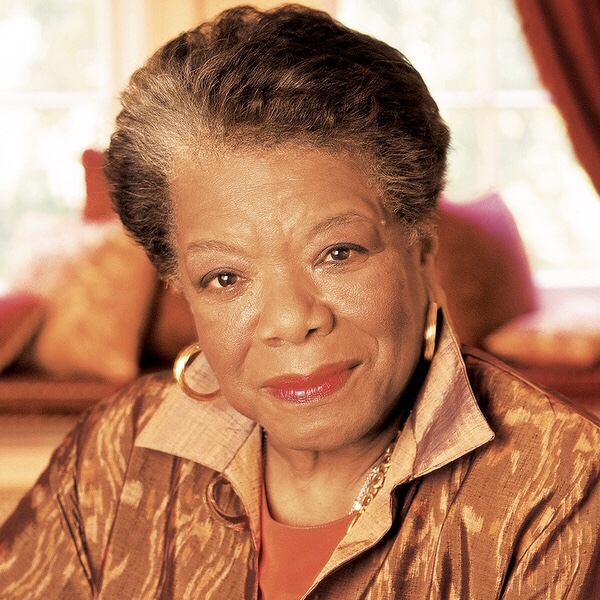
Maya Angelou (1928-2014) was an American poet, memoirist, and civil rights activist whose literary works and powerful public presence left an enduring impact on American culture and beyond. Best known for her series of seven autobiographies, which explore themes of identity, racism, and personal resilience, Angelou’s writing is celebrated for its lyrical prose and profound insights into the human experience.
Her first autobiography, “I Know Why the Caged Bird Sings” (1969), brought her international acclaim and remains a seminal work in the canon of African American literature. In it, Angelou recounts her early life, detailing the hardships she faced, including racism, sexual abuse, and the struggle for self-acceptance. The book’s success paved the way for her subsequent autobiographies, poetry collections, and essays, which continue to resonate with readers worldwide.
Beyond her literary achievements, Angelou was a key figure in the civil rights movement, working alongside leaders such as Martin Luther King Jr. and Malcolm X. Her activism and advocacy for equality, justice, and human dignity were reflected in both her public life and her writing.
Angelou’s contributions to literature and civil rights earned her numerous awards and honors, including the Presidential Medal of Freedom in 2010. Her legacy endures as a testament to the power of words to inspire change and as a beacon of strength and hope for future generations.
Sylvia Plath
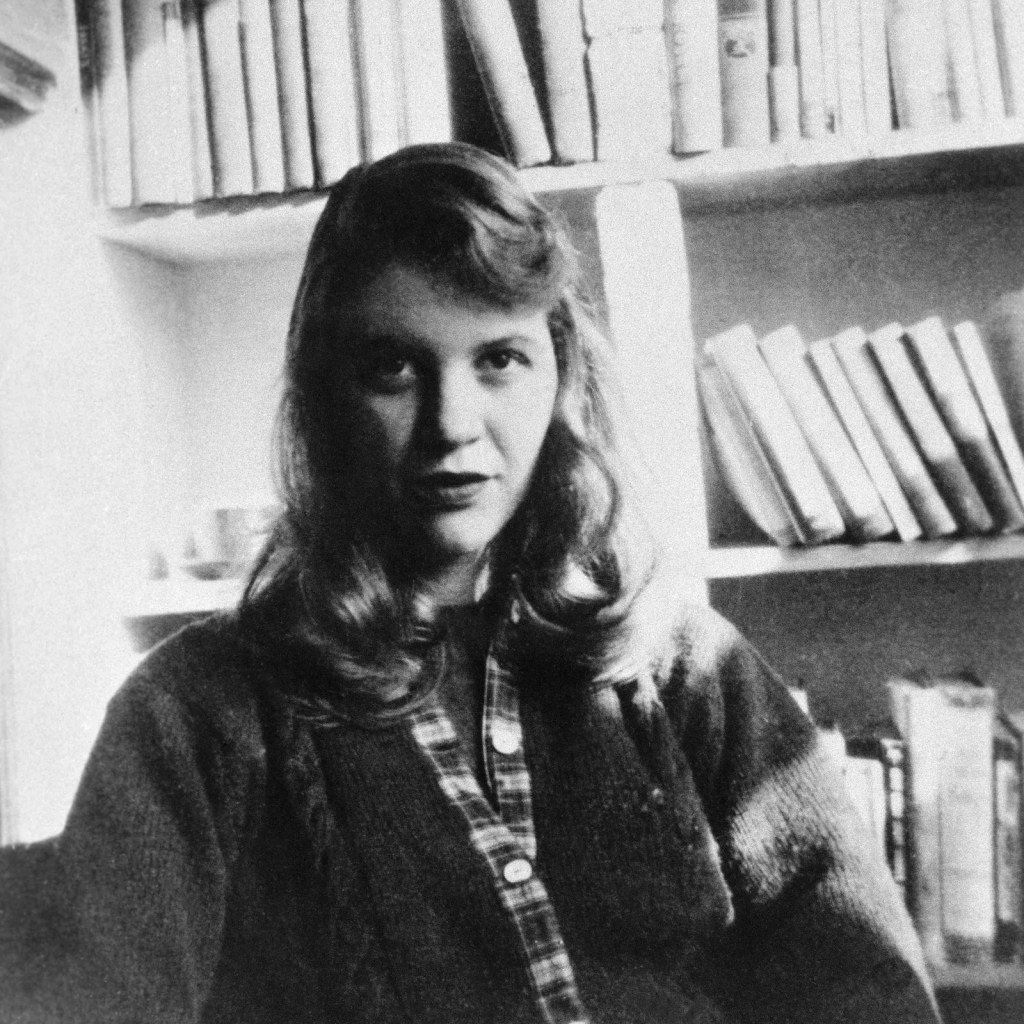
Sylvia Plath (1932-1963) was an American poet, novelist, and short-story writer whose work is characterized by its intense emotional depth and vivid imagery. Her contributions to literature, particularly in the genre of confessional poetry, have left a lasting legacy and continue to resonate with readers worldwide.
Plath’s early life was marked by academic excellence and a precocious talent for writing. She attended Smith College and later studied at the University of Cambridge on a Fulbright Scholarship, where she met and married fellow poet Ted Hughes. Despite her outward success, Plath struggled with severe depression throughout her life, a theme that deeply influenced her work.
Her only novel, “The Bell Jar” (1963), is a semi-autobiographical account of a young woman’s descent into mental illness. Published under the pseudonym Victoria Lucas, the novel provides a stark and candid look at the protagonist’s struggles with identity, societal expectations, and mental health. “The Bell Jar” has become a seminal work in American literature, noted for its raw honesty and psychological insight.
Plath’s poetry, collected posthumously in volumes such as “Ariel” (1965), “The Colossus” (1960), and “Crossing the Water” (1971), is celebrated for its powerful language and exploration of personal pain, trauma, and rebirth. Poems like “Daddy,” “Lady Lazarus,” and “Ariel” showcase her distinctive style, blending vivid imagery with themes of death, rebirth, and the search for self.
The intensity and depth of Plath’s work have made her a central figure in confessional poetry, a genre that emphasizes the poet’s personal experiences and emotions. Her ability to articulate the complexities of her inner life with precision and emotional honesty has influenced countless poets and writers.
Tragically, Sylvia Plath’s life was cut short when she died by suicide in 1963 at the age of 30. Her work, however, has continued to inspire and move readers, offering a profound exploration of the human condition and the struggles inherent in it. Plath’s legacy endures as a testament to the power of literature to convey the deepest aspects of human experience and emotion.
Toni Morrison
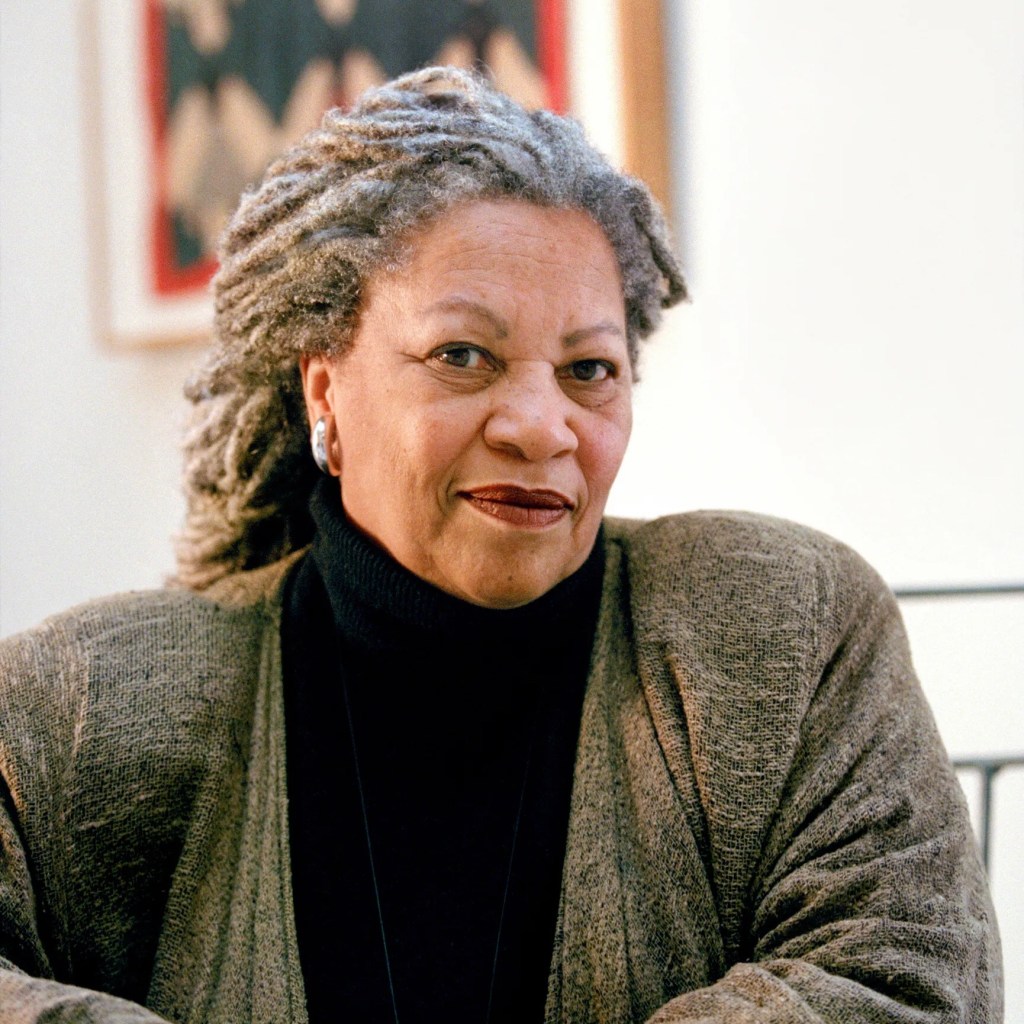
5. Toni Morrison (1931-2019)
Toni Morrison (1931-2019) was an American novelist, essayist, editor, and professor whose work transcended the boundaries of literature to become a profound exploration of the African American experience. Renowned for her lyrical prose, complex characters, and unflinching examination of race, identity, and history, Morrison’s novels have left an indelible mark on the literary landscape.
Born Chloe Ardelia Wofford in Lorain, Ohio, Morrison grew up surrounded by stories of African American folklore and heritage, which would later influence her writing. After studying English at Howard University and completing a master’s degree at Cornell University, Morrison embarked on a distinguished career as an editor for Random House, where she championed the works of African American writers.
Morrison’s literary debut came in 1970 with the publication of “The Bluest Eye,” a searing exploration of race, beauty, and identity set in Morrison’s native Ohio. The novel laid the groundwork for her subsequent masterpieces, including “Sula” (1973), “Song of Solomon” (1977), and “Beloved” (1987), which won the Pulitzer Prize for Fiction.
“Beloved,” perhaps Morrison’s most acclaimed work, is a haunting tale inspired by the true story of Margaret Garner, a woman who escaped slavery but later killed her own child rather than see her return to bondage. The novel delves into themes of trauma, memory, and the legacy of slavery, offering a profound meditation on the African American experience.
Throughout her career, Morrison continued to push the boundaries of literature, experimenting with narrative structure and voice to create richly textured and emotionally resonant works. Her novels, including “Jazz” (1992), “Paradise” (1997), and “A Mercy” (2008), explore the complexities of race, gender, and power in American society.
In addition to her novels, Morrison was a celebrated essayist and lecturer, using her platform to advocate for social justice and cultural empowerment. Her contributions to literature and her impact on American culture earned her numerous awards and honors, including the Nobel Prize in Literature in 1993, making her the first African American woman to receive the prestigious award.
Toni Morrison’s literary legacy is a testament to the power of storytelling to illuminate the human condition and confront the injustices of the past. Her novels continue to captivate and inspire readers, offering a profound reflection on the enduring struggles and triumphs of the African American experience.
Zadie Smith

Zadie Smith (b. 1975) is a British novelist, essayist, and short-story writer whose works delve into themes of race, identity, and multiculturalism in contemporary society. Known for her sharp wit, keen social observations, and richly drawn characters, Smith has established herself as a leading voice in modern literature.
Smith burst onto the literary scene with her debut novel, “White Teeth” (2000), written while she was still a student at the University of Cambridge. The novel spans several decades and follows the lives of two wartime friends, their families, and the complexities of their multicultural London neighborhood. Praised for its vibrant storytelling and insightful exploration of post-colonial Britain, “White Teeth” won numerous awards, including the James Tait Black Memorial Prize for Fiction and the Whitbread Book Awards.
Her subsequent novels have continued to explore the intersections of culture, class, and identity. “The Autograph Man” (2002) examines themes of celebrity and obsession, while “On Beauty” (2005), a modern retelling of E.M. Forster’s “Howards End,” addresses cultural politics and family dynamics. “On Beauty” was shortlisted for the Man Booker Prize and won the Orange Prize for Fiction.
In “NW” (2012), Smith paints a portrait of Northwest London through the lives of its residents, delving into issues of social mobility and personal aspiration. Her most recent novel, “Swing Time” (2016), explores friendship, race, and the influence of cultural heritage through the intertwined lives of two childhood friends.
Beyond her fiction, Zadie Smith is an accomplished essayist. Her collections “Changing My Mind: Occasional Essays” (2009) and “Feel Free” (2018) showcase her range, tackling subjects from literary criticism and cultural commentary to personal reflections. Her essays are celebrated for their intellectual rigor, humor, and insightful critique of contemporary society.
Smith’s contributions to literature have earned her a place among the most influential writers of her generation. Her works offer a nuanced and multifaceted exploration of the human experience, reflecting the complexities and diversities of the modern world. Through her distinctive voice and compelling narratives, Zadie Smith continues to shape and inspire the literary landscape.
Chimamanda Ngozi Adichie

Chimamanda Ngozi Adichie (b. 1977) is a Nigerian author and public intellectual renowned for her insightful exploration of identity, migration, and feminism in contemporary society. Her powerful storytelling and articulate advocacy for gender equality have established her as one of the most significant voices in modern literature.
Adichie’s debut novel, “Purple Hibiscus” (2003), set in post-colonial Nigeria, tells the story of a young girl’s struggle for personal and political freedom within her oppressive family environment. The book garnered critical acclaim and won the Commonwealth Writers’ Prize for Best First Book.
Her second novel, “Half of a Yellow Sun” (2006), is a poignant and harrowing portrayal of the Nigerian Civil War, capturing the impact of the conflict on ordinary lives. The novel received numerous awards, including the Orange Prize for Fiction.
In “Americanah” (2013), Adichie tackles the complexities of race and identity through the experiences of a Nigerian woman who moves to the United States. The novel’s incisive commentary on race relations in America and the immigrant experience won the National Book Critics Circle Award for Fiction.
Beyond her novels, Adichie has made significant contributions to contemporary feminist discourse. Her TED Talk “We Should All Be Feminists” (2012) was adapted into a widely-read essay and has been influential in global discussions about gender equality. Her follow-up, “Dear Ijeawele, or A Feminist Manifesto in Fifteen Suggestions” (2017), provides practical advice on raising children to recognize and challenge gender bias.
Adichie’s works are celebrated for their rich characterizations, compelling narratives, and the seamless integration of personal and political themes. Her voice continues to inspire and challenge readers, making her a pivotal figure in both literature and social activism.
Emily Dickinson
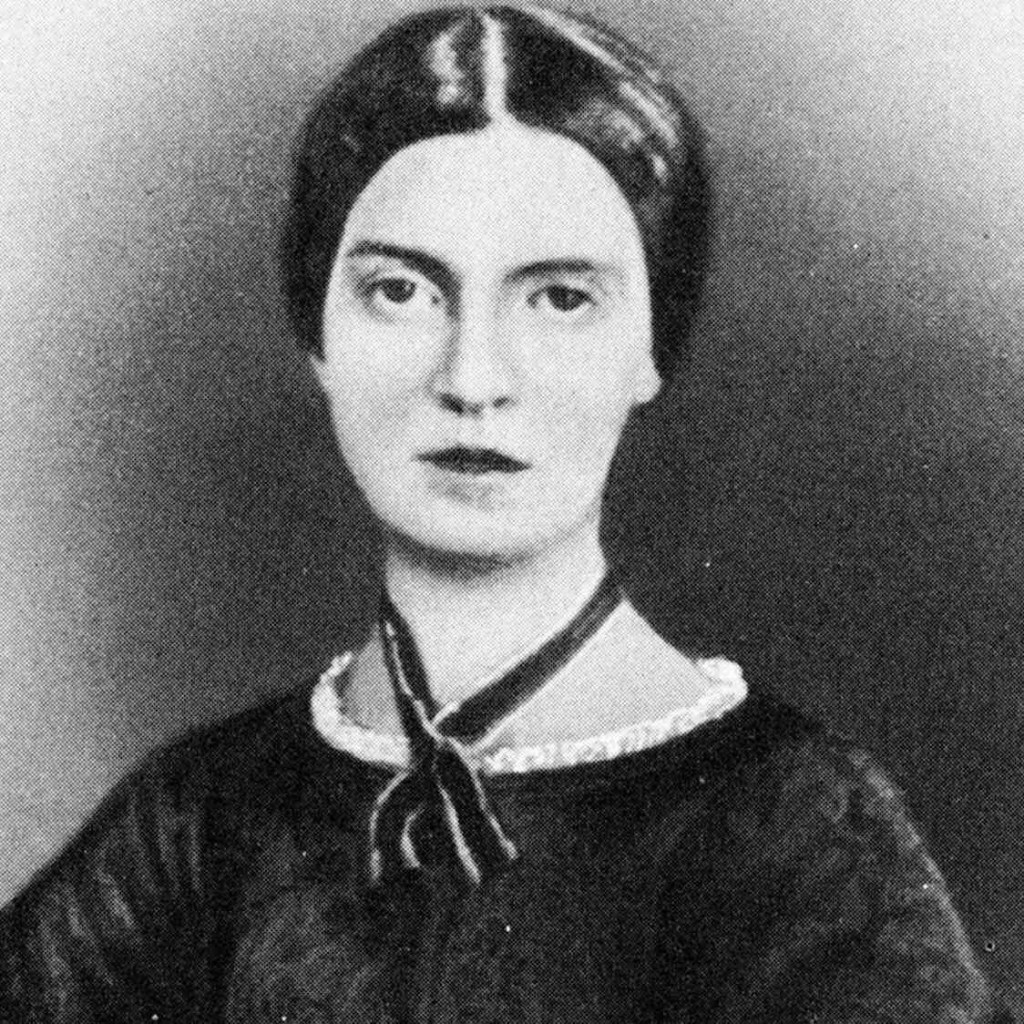
Emily Dickinson (1830-1886) was an American poet whose innovative and introspective works have cemented her place as one of the most important figures in American literature. Despite leading a reclusive life in Amherst, Massachusetts, Dickinson’s poetry explores universal themes of death, immortality, nature, and the human psyche with striking originality and depth.
Dickinson’s writing is characterized by its unconventional style, including the use of irregular capitalization, punctuation, and short, fragmented lines. Her poetry often features a lyrical and enigmatic quality, challenging readers to delve deeply into her layered meanings and rich imagery. Some of her most famous poems include “Because I could not stop for Death,” “I heard a Fly buzz—when I died,” and “Hope is the thing with feathers.”
During her lifetime, Dickinson was not widely recognized, and only a few of her nearly 1,800 poems were published, often edited to fit the conventions of the time. It was only after her death that her vast body of work was discovered by her family and gradually published, initially in heavily edited form but eventually in more faithful reproductions.
The posthumous publication of her poetry revealed Dickinson’s genius to the world, and she has since been celebrated for her profound and original voice. Her work has influenced countless poets and writers, and her unique perspective continues to captivate and inspire readers. Emily Dickinson’s legacy is a testament to the enduring power of poetic expression and the richness of the human spirit.
 Anna Miskelly
Leave a comment